
I thought of this topic because someone posted in a Facebook page I follow about their frustration with their foster kids’ treatment of toys and general messiness. Compared with her bio kids, she was surprised by the way her foster kids relate to objects. The original poster has my sympathy. It’s something Seth and I talk about and struggle with constantly.
When Seth and I were kids, we played with our toys nicely and treated them well because we wanted them to last. For me, I also felt like my toys had feelings and didn’t want to hurt them, but that’s beside the point.
Why did we do that? Mostly because we were taught to. It’s not something that’s always inherent in kids, although in my sensitive, overly empathetic, autistic self, it might have been inherent to some degree.
One of the surprising challenges of foster care is having kids come into the house who haven’t been taught to respect their space or their things. Lots of toys get broken, sometimes on purpose. But even unintentional roughness breaks a lot of toys, just because they haven’t been taught differently. I’m continually surprised by how much gentleness and respect for things has to be taught.
There’s also a need to vent in foster kids and other kids who have experienced trauma. Built up anger and frustration need to go somewhere at young ages. Kids can trash a room in 10 seconds flat if they’re dysregulated. It took Seth and me a while to adjust to having Kiddo break 5 toys on purpose and throw a few others before she could regulate again after, say, a visit. Sunny is the sweetest kid, but in a fit of pique she broke a toy recently. Just grabbed it and snapped it. It was after her Mama failed to pick up the phone when we called. Somehow it startles me every time.
Sprout is the only one who doesn’t intentionally break things and plays pretty nicely with her toys and I suspect it’s because she came to us before age 2 so has learned the respect for stuff that we’ve tried to impart. That said, the child would rather have her fingernails pulled than pick up after she’s created a mess playing. It’s still a work in progress.
Another challenge we’ve run into is obsessive holding onto things. Kiddo has a really really hard time with this and I have deep fears that she’ll be a hoarder some day. She lost everything she owned in some traumatic moves when she was a kid (think bedbugs and a rightly freaked out mom, and then coming into foster care and leaving all her toys behind). Now she cannot part with toys that are for much younger kids, broken, unused,, or forgotten, until we pull them out to donate or toss them. She also wants everything she sees. It’s like a powerful need for her to acquire and have and keep.
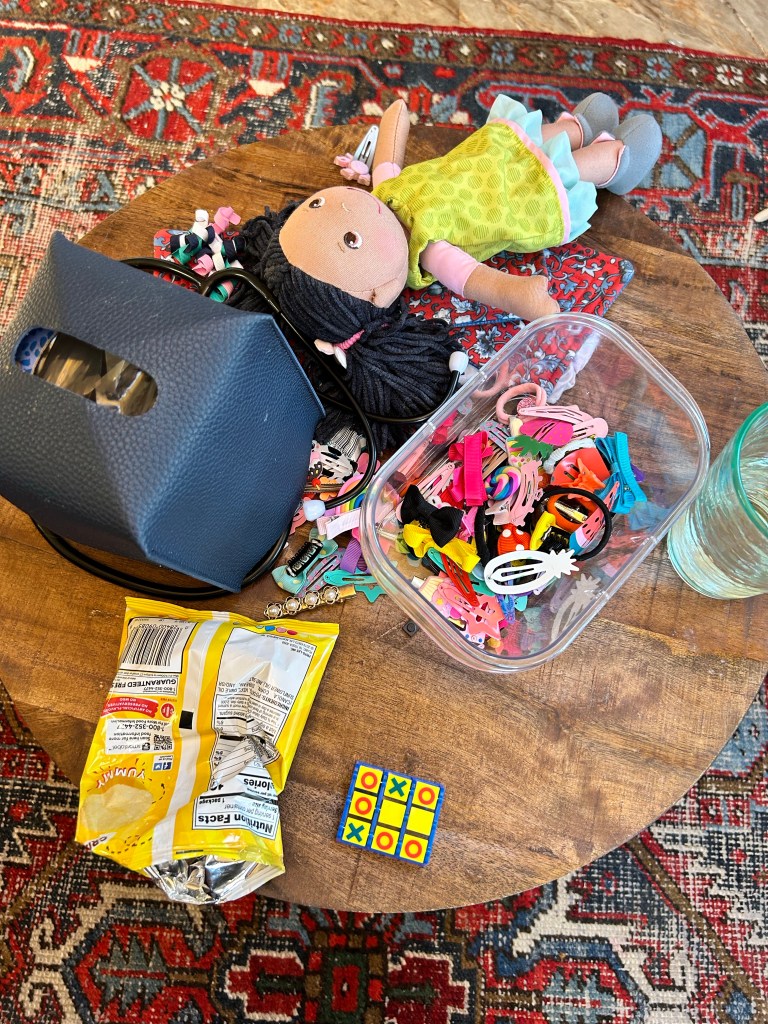
Cleaning and keeping things clean can be a challenge too. Sunny and Sprout aren’t great but aren’t usually terrible unless they’re dysregulated (then all bets are off). But Kiddo would live in squalor and never notice. It is like the inside of her head is so chaotic she makes her surrounding environment match what’s inside. It’s incredible to watch her come into a clean and organized house and tear it apart in an hour of play. I don’t think it’s intentional, it’s just how she is inside and it quickly gets reflected in her surroundings. Her room’s state is a constant struggle (it has to be clean enough to access the Guinea pigs and not be a fire hazard), and it’s constant work to make her pick up after herself because it’s almost like she can’t see and recognize the mess. It’s kind of amazing. And exasperating.
I can only be so hard on Kiddo about the messiness of her room because a) it’s her space and b) I was a kid with executive dysfunction who couldn’t manage to clean her room for many years of my childhood. I feel like a hypocrite when I complain about Kiddo’s room and can live with it being messy, but it drives Seth bananas.
All we can do is try to keep teaching the kids and hope it sinks in. And buy sturdy toys. And crack the whip and make them pick up after themselves when they’ve trashed a space, no matter how much whining or heel dragging it evinces. All our efforts in this regard are still only somewhat effective. We are fighting an uphill battle against trauma, dysregulation, and lack of early teaching.
 sprinklesonachaoscupcake.com